

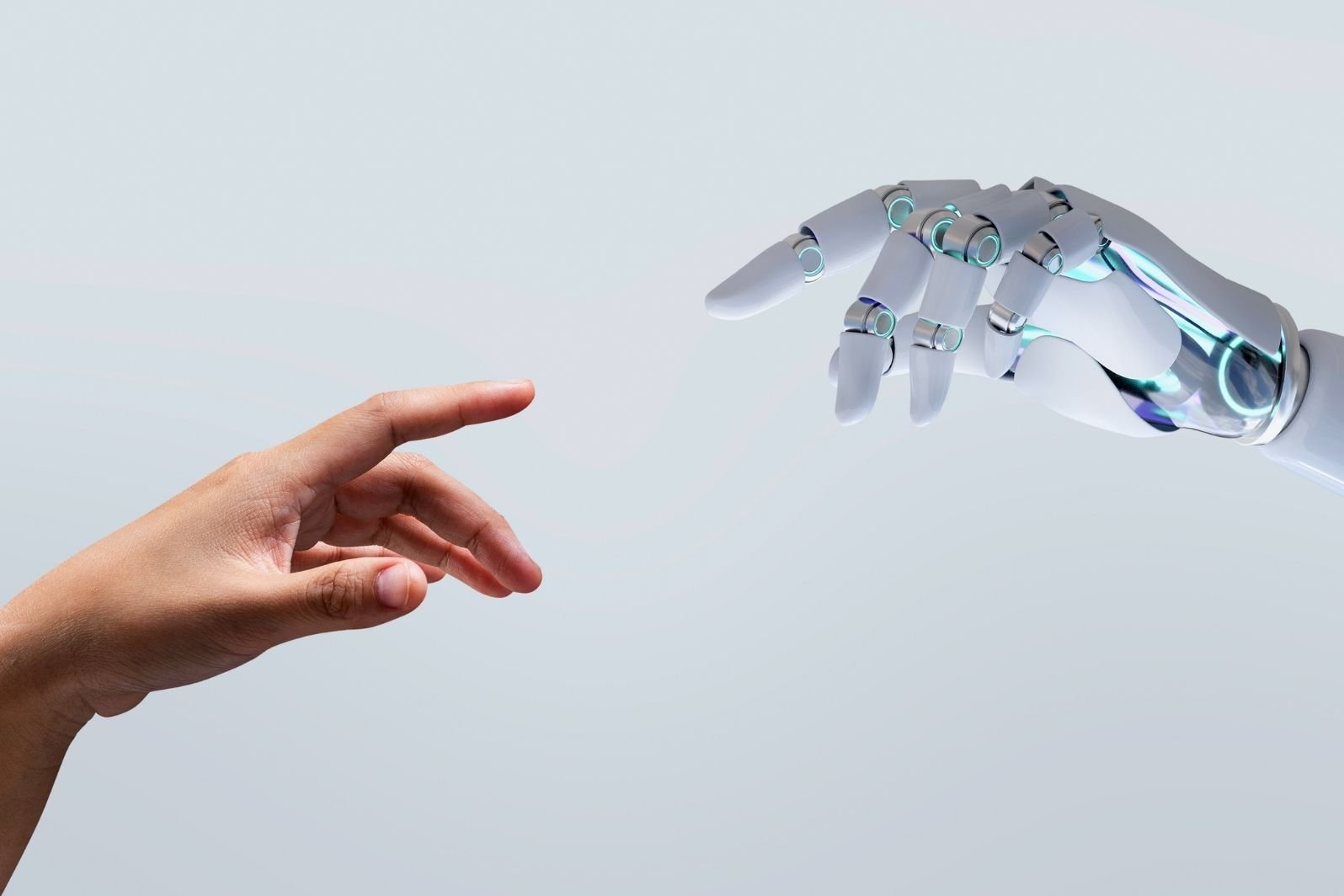
Artificial intelligence has moved from a futuristic concept to a quiet, constant presence in daily life. It’s in the recommendations that shape what people watch and buy, the assistants that answer questions and schedule appointments, and the systems that detect fraud before it happens. Much of this influence goes unnoticed precisely because it’s become so deeply woven into everyday routines. Here’s a look at how AI is reshaping daily life, often in ways people don’t immediately recognize.
1. Personalized Recommendations
Streaming services, online retailers, and social media platforms all rely on AI to analyze behavior and predict preferences. These recommendation systems influence what shows people watch, what products they discover, and even what news and content they see — shaping daily choices in ways that are often invisible but pervasive.
2. Virtual Assistants and Smart Devices
Voice assistants and smart home devices use AI to understand natural language, learn user preferences, and automate everyday tasks — from setting reminders to adjusting home temperature. These tools have made it possible to control aspects of daily life hands-free, and they continue to become more capable of understanding context and nuance in requests.
3. Communication and Productivity Tools
AI now assists with drafting emails, summarizing documents, scheduling meetings, and even generating first drafts of written content. These tools help people work more efficiently by handling repetitive or time-consuming tasks, freeing up time for higher-value work. Real-time language translation has also made cross-language communication significantly more accessible.
4. Healthcare and Wellness
AI is increasingly used to assist in diagnosing conditions from medical imaging, predicting health risks based on patterns in data, and powering wearable devices that track sleep, activity, and heart rate. These tools don’t replace medical professionals, but they increasingly support earlier detection and more personalized health insights for everyday users.
5. Navigation and Transportation
Mapping and navigation apps use AI to analyze real-time traffic data and suggest optimal routes, saving time and reducing fuel consumption. AI also powers ride-sharing platforms, matching riders and drivers efficiently, and plays a growing role in the development of autonomous vehicle technology.
6. Fraud Detection and Financial Services
Banks and financial institutions use AI to detect unusual transaction patterns and flag potential fraud in real time, often before a person is even aware something is wrong. AI also powers tools for budgeting, investment recommendations, and credit assessments, changing how people manage everyday finances.
7. Customer Service and Support
Many customer service interactions — from chatbots answering questions to automated systems routing support tickets — are now powered by AI. This has changed how quickly people get answers to routine questions, though it has also introduced new challenges around ensuring these systems handle complex or sensitive issues appropriately.
8. Content Creation and Entertainment
AI tools now assist in generating images, music, video edits, and written content, changing how creative work gets done. This has expanded access to creative tools for people without specialized training, while also raising new questions about originality, authorship, and the future role of human creativity.
9. Shopping and E-Commerce
AI powers product recommendations, dynamic pricing, virtual try-on tools, and chat-based shopping assistants. It also plays a growing role behind the scenes in inventory management and supply chains, which affects product availability and pricing that everyday shoppers experience.
10. Education and Learning
AI-powered tools now offer personalized tutoring, adaptive learning platforms, and instant feedback on writing and problem-solving. These tools are changing how students learn outside the traditional classroom, offering support that adapts to individual pace and understanding.
The Trade-offs Worth Considering
AI’s growing presence in daily life comes with real trade-offs. Questions around data privacy, algorithmic bias, job displacement in certain industries, and over-reliance on automated systems remain active areas of public debate. As AI becomes more embedded in daily routines, understanding both its benefits and its limitations becomes increasingly important for using these tools thoughtfully rather than passively.
Final Thoughts
Artificial intelligence has quietly become a fixture of everyday life — powering the tools people use to communicate, shop, navigate, work, and stay healthy. Its influence is often subtle rather than dramatic, embedded in the background of routine tasks rather than announced as a standalone technology. As AI capabilities continue to expand, its role in daily life is likely to grow even further, making it worth understanding both its conveniences and its limitations.
