

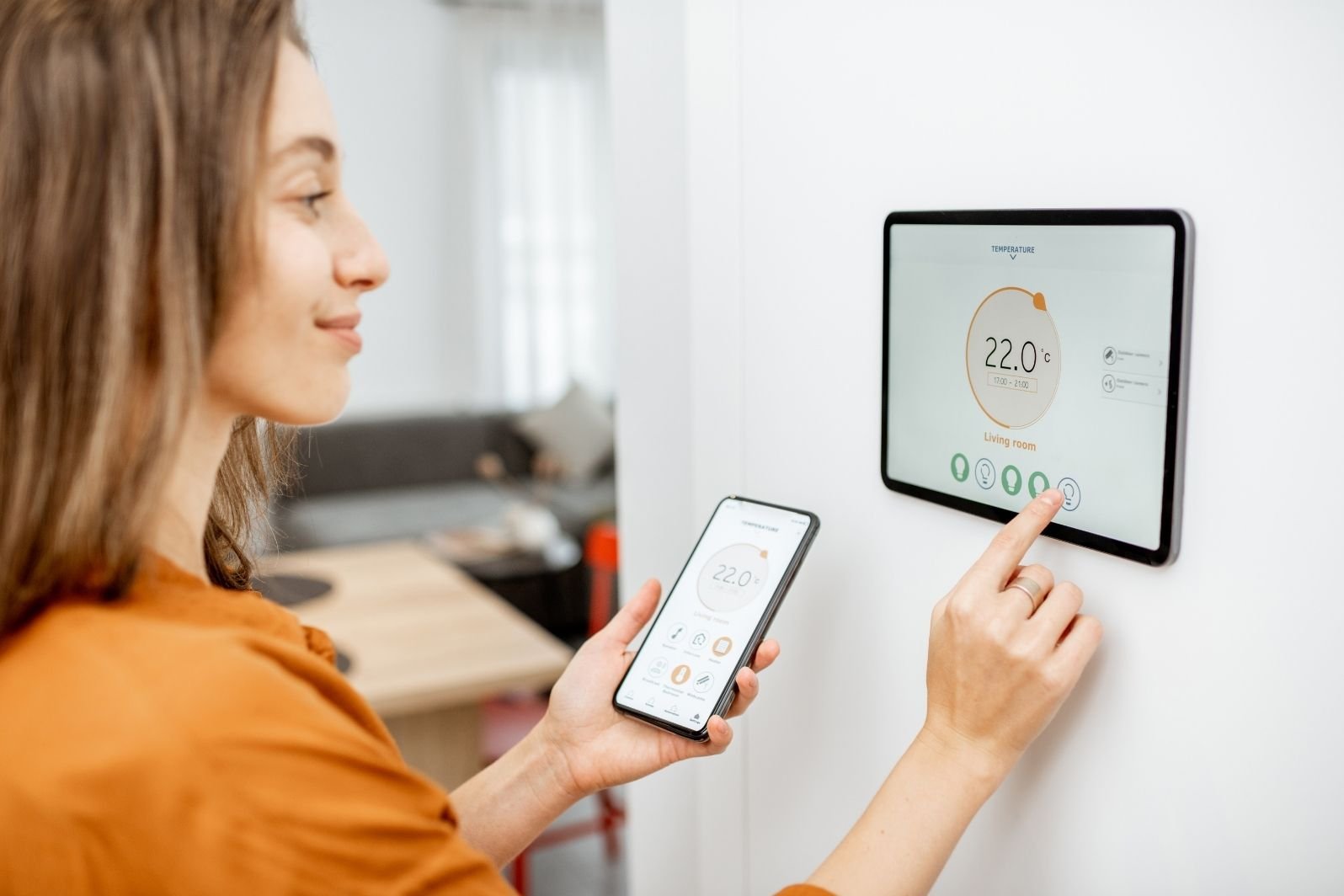
The home has quietly become one of the most connected spaces in daily life. What used to be simple appliances and fixtures — thermostats, lights, locks, speakers — are increasingly networked, intelligent, and responsive to the people living around them. Smart home technology has moved from a novelty for early adopters to a mainstream feature reshaping how homes function. Here’s how these devices are transforming modern living.
1. Convenience Through Automation
Smart devices allow everyday tasks to happen automatically, based on schedules, routines, or triggers. Lights that turn on at sunset, thermostats that adjust based on the time of day, and coffee makers that start brewing before you wake up all reduce the small daily friction of manually managing a home. Over time, this automation can save meaningful time and mental effort.
2. Improved Energy Efficiency
Smart thermostats learn household patterns and adjust heating and cooling accordingly, often reducing energy waste compared to manually set systems. Smart lighting can automatically turn off in unoccupied rooms, and many devices provide real-time energy usage data, helping homeowners identify where they can cut costs and reduce environmental impact.
3. Enhanced Home Security
Smart locks, video doorbells, and connected security cameras allow homeowners to monitor and control access to their homes remotely, often in real time. Motion alerts, live video feeds, and the ability to lock or unlock doors from a smartphone have made home security more proactive and accessible than traditional systems, which typically required professional monitoring services.
4. Voice-Controlled Convenience
Voice assistants integrated into smart speakers and other devices allow hands-free control over lighting, temperature, music, and more. This has been particularly valuable for accessibility, allowing individuals with mobility limitations to control their environment more independently.
5. Centralized Control and Monitoring
Smart home hubs and apps allow multiple devices — lights, locks, cameras, appliances — to be controlled from a single interface, rather than requiring separate apps or manual controls for each device. This centralization simplifies management, especially as the number of connected devices in a home continues to grow.
6. Remote Monitoring and Peace of Mind
Being able to check on a home while away — whether to confirm the door is locked, see if a package has arrived, or monitor for unusual activity — has changed the relationship many people have with their homes. This capability is especially valued by those who travel frequently or want to keep an eye on family members, pets, or property remotely.
7. Personalized Living Environments
Smart devices increasingly learn and adapt to individual preferences, adjusting lighting, temperature, and even music based on who’s home and their historical patterns. This creates a living environment that responds to the people in it, rather than requiring constant manual adjustment.
8. Support for Aging in Place
Smart home technology has become an increasingly valuable tool for helping older adults live independently longer. Features like fall detection, medication reminders, voice-activated emergency calls, and remote monitoring give families peace of mind while allowing aging individuals to maintain autonomy in their own homes.
9. Integration with Health and Wellness
Some smart home ecosystems now integrate with wearable health devices, adjusting environmental factors like lighting and temperature to support better sleep, or providing reminders related to health routines. This blurring of home technology and personal wellness reflects a broader trend toward more holistic, connected living.
Challenges and Considerations
The growth of smart home technology comes with real trade-offs. Privacy concerns are significant, since many devices collect data about household routines and behavior. Security vulnerabilities in connected devices can create new risks if not properly managed, and reliance on internet connectivity means outages can disrupt basic home functions. Additionally, the growing number of devices, platforms, and standards can create compatibility challenges for homeowners trying to build a cohesive smart home system.
Final Thoughts
Smart devices are reshaping the modern home from a static, manually managed space into a responsive, connected environment. From energy efficiency and security to accessibility and convenience, these technologies are changing daily routines in ways that are often subtle but cumulatively significant. As with most connected technology, getting the most benefit means pairing adoption with thoughtful attention to privacy, security, and how much automation genuinely improves — rather than complicates — daily life.
