

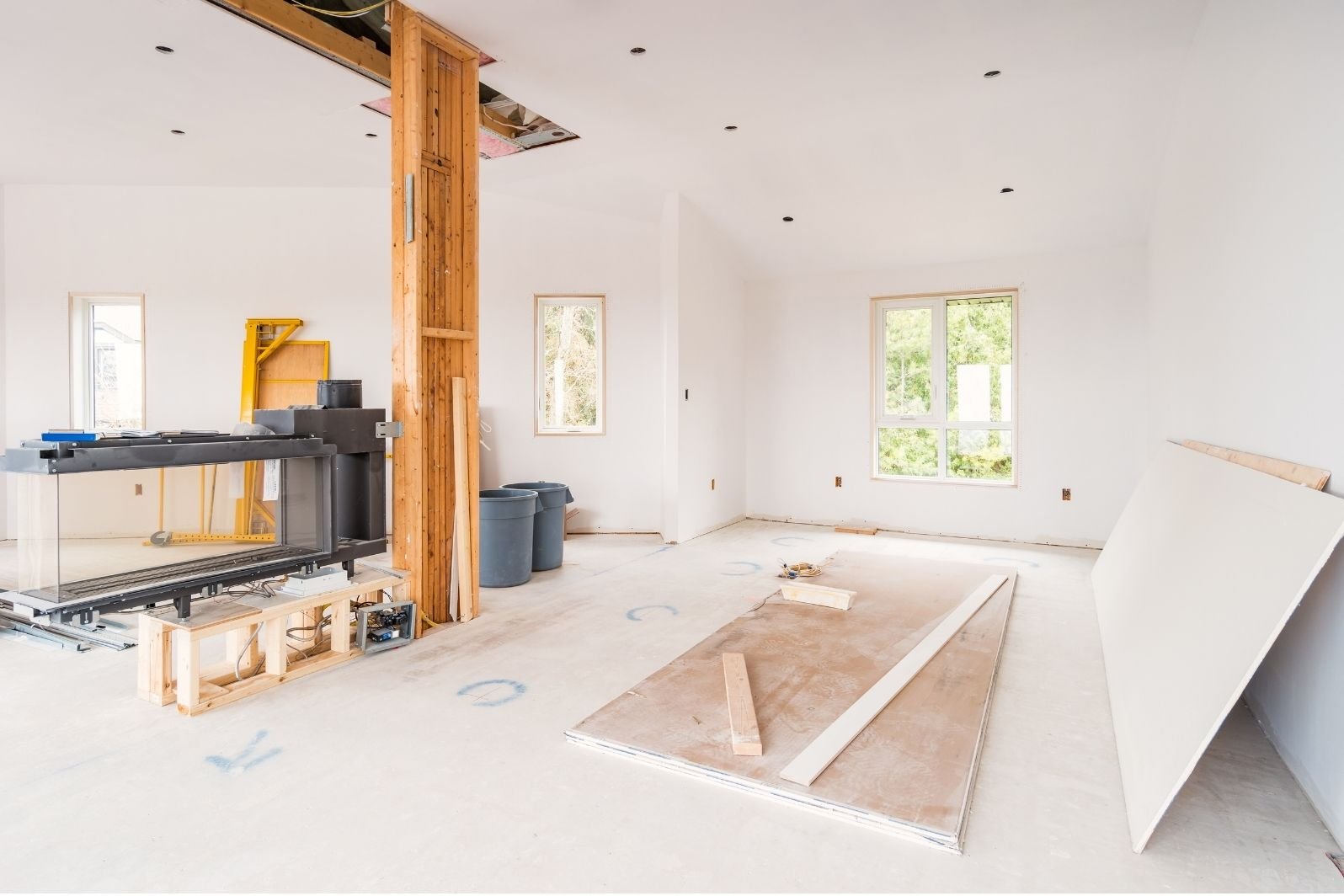
Home renovations have a well-earned reputation for running over budget. Unexpected costs, scope creep, and underestimated timelines can turn even a modest project into a significant financial strain. With careful planning, though, it’s entirely possible to renovate thoughtfully while keeping costs under control. Here’s how to approach a renovation without letting the budget spiral.
1. Define Your Priorities Before You Start
Before getting into design details, get clear on what the renovation actually needs to accomplish — more functional space, updated systems, increased home value, or simply aesthetic refresh. Having clear priorities helps you make trade-off decisions later without losing sight of what matters most, rather than chasing every appealing upgrade along the way.
2. Set a Realistic Budget — With a Buffer
Research typical costs for your type of renovation and location, then set a budget based on realistic numbers rather than optimistic estimates. Critically, build in a contingency fund of at least 10–20% for unexpected issues, which are common in renovations, especially in older homes where hidden problems often surface once work begins.
3. Get Multiple Quotes
Don’t settle for the first contractor quote you receive. Getting at least three quotes for major work allows you to compare not just price, but scope, materials, and included services. Significant discrepancies between quotes are worth investigating, since they may indicate different assumptions about the work involved.
4. Distinguish Needs From Wants
It’s easy for a renovation’s scope to expand as new ideas come up during planning. Create a clear list of essential work versus optional upgrades, and treat the “wants” list as items to add only if the budget allows, rather than baking them into the original plan from the start.
5. Time Your Renovation Strategically
Contractor availability and material costs can fluctuate seasonally. Renovating during a contractor’s slower season can sometimes result in better pricing and availability, while rushing to complete work during peak demand periods often costs more and increases the risk of scheduling issues.
6. Avoid Moving Structural Elements Unless Necessary
Changes that involve moving plumbing, electrical systems, or load-bearing walls tend to be significantly more expensive than cosmetic updates. Where possible, working within the existing structural layout — rather than reconfiguring it — can meaningfully reduce both cost and complexity.
7. Do Some of the Work Yourself, Strategically
Certain tasks — demolition, painting, simple landscaping — can often be done without professional help, reducing labor costs. However, it’s important to be realistic about your own skill level; DIY mistakes on complex work like electrical or plumbing can end up costing more to fix than hiring a professional from the start.
8. Shop Smart for Materials
Material costs can vary significantly between suppliers, and timing purchases around sales or discontinued stock can lead to meaningful savings. Mid-range materials often provide a good balance of durability and cost, without the steep price jump that comes with premium or designer options.
9. Get Everything in Writing
Detailed, written contracts with contractors — including scope of work, materials, timeline, and payment schedule — help prevent misunderstandings and unexpected charges later. Verbal agreements or vague scopes of work are a common source of budget overruns once a project is underway.
10. Avoid Making Major Changes Mid-Project
Once a renovation is underway, changing plans partway through — a different layout, upgraded materials, additional scope — often costs significantly more than if the same decision had been made during the planning phase. Finalizing decisions before work begins helps avoid these costly mid-project pivots.
11. Track Spending as You Go
Keep an ongoing record of actual spending against your budget throughout the renovation, rather than only reviewing costs at the end. This makes it easier to catch overspending early and adjust remaining plans accordingly, rather than discovering a significant overage only after the project is complete.
12. Consider Phased Renovations for Larger Projects
If a full renovation isn’t financially feasible all at once, breaking the project into phases — tackling the most essential work first and completing additional updates over time — can make a large renovation more financially manageable without requiring the entire budget upfront.
Final Thoughts
A successful renovation on a controlled budget comes down to clear planning, realistic expectations, and disciplined decision-making throughout the process — not just at the outset. Setting priorities, building in a contingency buffer, and avoiding costly mid-project changes are some of the most effective ways to keep a renovation from spiraling beyond its intended budget.
