

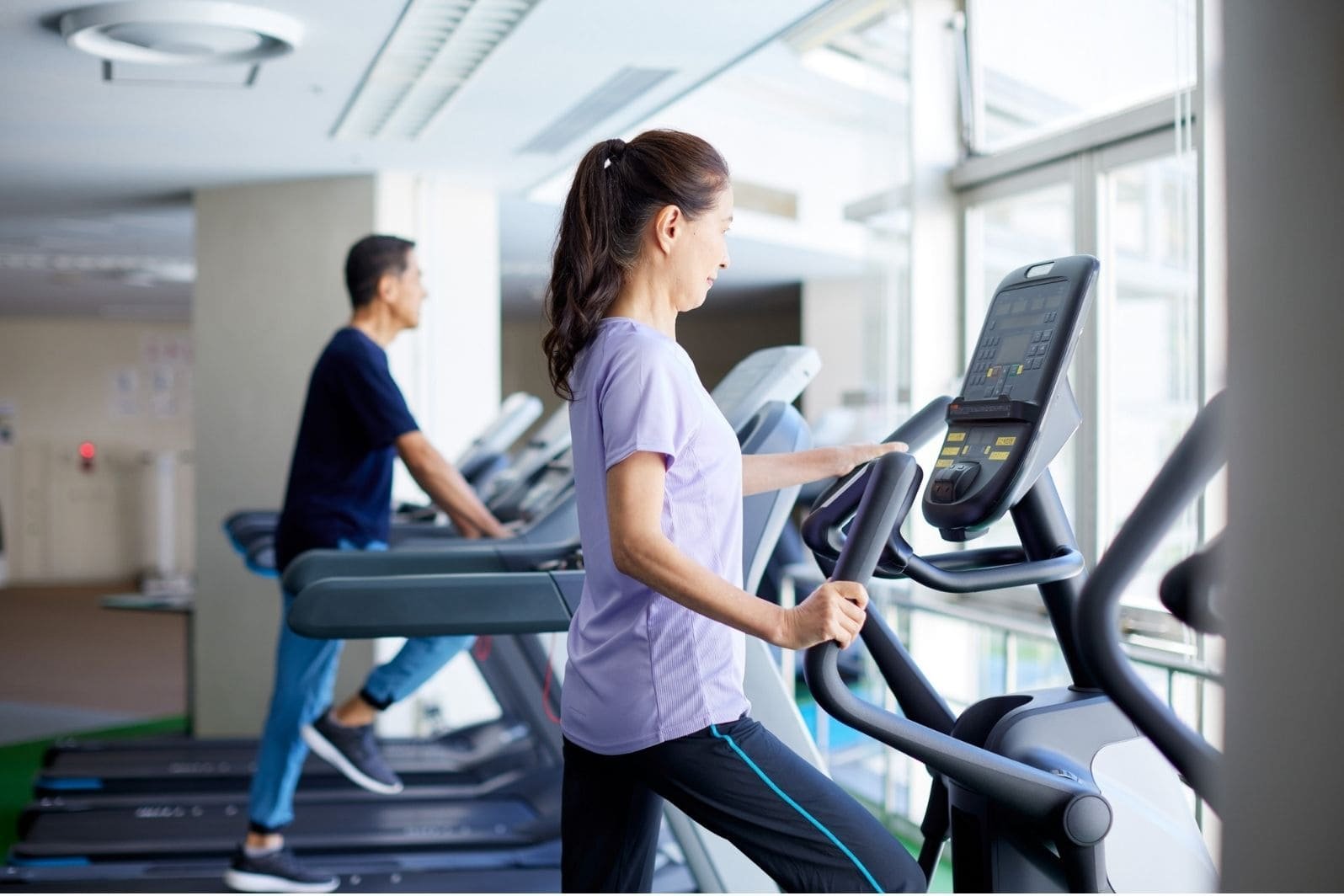
Exercise is often framed around appearance or weight loss, but its real value runs much deeper. Regular physical activity influences nearly every system in the body and plays a major role in mental health, disease prevention, and overall quality of life. Understanding why it matters — beyond aesthetics — can help make it a more consistent, sustainable part of daily life.
1. It Strengthens the Cardiovascular System
Regular aerobic activity strengthens the heart muscle, improves circulation, and helps regulate blood pressure and cholesterol levels. Over time, this significantly reduces the risk of heart disease and stroke, two of the leading causes of death worldwide. Even moderate activity, done consistently, has a measurable protective effect on heart health.
2. It Supports Healthy Weight Management
Exercise helps regulate energy balance and supports metabolic health, making it easier to maintain a healthy weight when combined with balanced nutrition. Beyond calorie burning, regular activity also helps preserve muscle mass, which keeps metabolism more efficient over time.
3. It Builds and Maintains Muscle and Bone Strength
Strength training and weight-bearing exercises stimulate muscle growth and increase bone density, which becomes increasingly important with age. Maintaining strong muscles and bones reduces the risk of injury, supports mobility, and helps prevent conditions like osteoporosis later in life.
4. It Improves Mental Health
Exercise triggers the release of endorphins and other neurochemicals that improve mood and reduce feelings of stress and anxiety. Numerous studies have linked regular physical activity to lower rates of depression and anxiety, and it’s increasingly recognized as a valuable complement to other mental health treatments, not a replacement for them.
5. It Enhances Cognitive Function
Physical activity increases blood flow to the brain and has been associated with improved memory, focus, and overall cognitive performance. Regular exercise has also been linked to a reduced risk of cognitive decline and dementia later in life, making it valuable for long-term brain health, not just physical fitness.
6. It Improves Sleep Quality
Regular physical activity helps regulate the body’s natural sleep-wake cycle and has been shown to improve both the quality and duration of sleep. Better sleep, in turn, supports nearly every other aspect of physical and mental health, creating a positive feedback loop.
7. It Boosts Energy Levels
While it may seem counterintuitive, regular exercise tends to increase overall energy levels rather than depleting them. Improved cardiovascular efficiency and better sleep both contribute to feeling more energized throughout the day, even outside of workout sessions.
8. It Strengthens the Immune System
Moderate, regular exercise has been associated with improved immune function, helping the body respond more effectively to illness. This effect is most pronounced with consistent, moderate activity — excessive, intense exercise without adequate recovery can have the opposite effect.
9. It Reduces the Risk of Chronic Disease
Beyond heart disease, regular physical activity is associated with a lower risk of type 2 diabetes, certain cancers, and metabolic syndrome. It helps regulate blood sugar, supports healthy hormone function, and reduces inflammation — all factors linked to chronic disease risk.
10. It Supports Longevity and Healthy Aging
Numerous large-scale studies consistently link regular physical activity with longer life expectancy and a higher quality of life in later years. Beyond adding years to life, staying active supports the mobility, independence, and functional strength needed to enjoy those years fully.
11. It Builds Discipline and Confidence
Consistently showing up for a workout, even on days when motivation is low, builds discipline that often extends beyond fitness into other areas of life. Achieving fitness goals — whether it’s running a certain distance or lifting a certain weight — also tends to build self-confidence and a sense of accomplishment.
How to Build a Sustainable Exercise Habit
- Choose activities you genuinely enjoy, rather than ones you feel obligated to do
- Start with manageable amounts and build up gradually rather than overcommitting early
- Mix cardiovascular activity, strength training, and flexibility work for well-rounded benefits
- Schedule exercise like any other important commitment, rather than leaving it to chance
- Focus on consistency over intensity, especially when building the habit initially
Final Thoughts
Regular exercise isn’t just about physical appearance — it’s a foundational habit that supports cardiovascular health, mental wellbeing, cognitive function, and long-term quality of life. The specific type of exercise matters less than consistency; finding an activity that’s sustainable and enjoyable is often the key to making movement a lasting part of a healthy lifestyle.
This article is for general informational purposes. If you have existing health conditions or concerns, it’s a good idea to consult a healthcare provider before starting a new exercise routine.
