

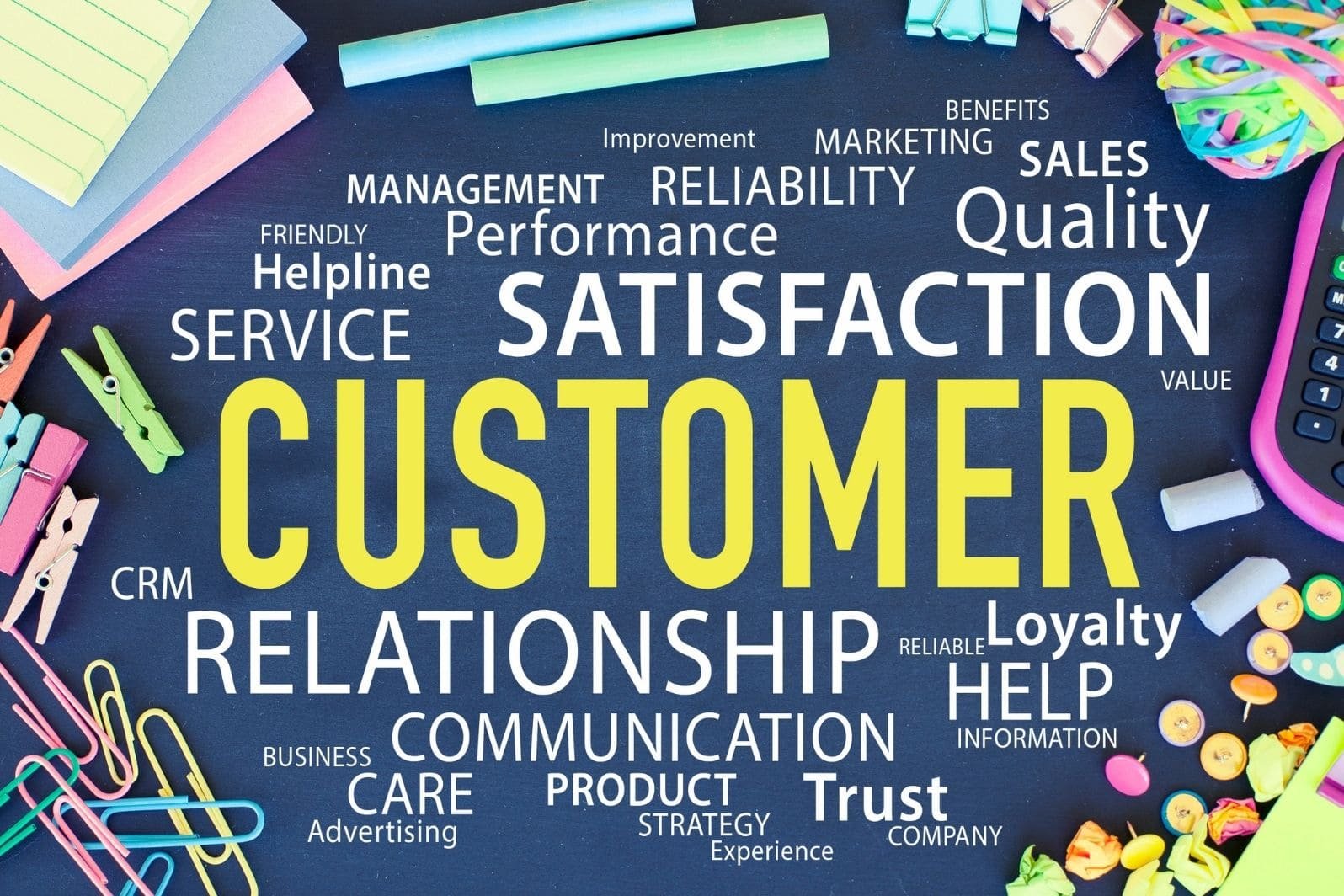
Products and prices get businesses in the door, but experience is what keeps customers coming back — and what turns them into advocates who bring others along. As markets grow more competitive and customers have more choices than ever, customer experience (CX) has become one of the strongest, most sustainable drivers of business growth.
Here’s why it matters so much, and how it fuels growth in practice.
1. It Drives Customer Retention
Acquiring a new customer is significantly more expensive than keeping an existing one. Businesses that consistently deliver a positive experience see customers return more often, spend more per visit, and stick around longer. Retention isn’t just about satisfaction — it’s about removing friction, honoring expectations, and making customers feel valued at every interaction.
A single bad experience can undo months of goodwill, while a series of small positive ones compounds into loyalty that’s hard for competitors to break.
2. It Turns Customers into Advocates
Happy customers talk. Word-of-mouth, online reviews, and social sharing are some of the most trusted forms of marketing precisely because they come from real experiences rather than paid promotion. A great customer experience creates naturally occurring advocacy — customers who recommend you unprompted, defend you publicly, and bring in new business at little to no acquisition cost.
3. It Justifies Premium Pricing
Customers are often willing to pay more for a business that consistently delivers a smooth, reliable, and pleasant experience. When price becomes the only differentiator, businesses get pulled into a race to the bottom. Strong CX allows a business to compete on value rather than just cost, protecting margins while still growing.
4. It Reduces Churn and Support Costs
Frustrated customers generate more support tickets, complaints, and refund requests — all of which cost time and money. A well-designed, intuitive experience reduces the number of things that go wrong in the first place, which lowers operational costs and frees up resources to focus on growth rather than damage control.
5. It Builds Resilience During Mistakes
No business is perfect — things will occasionally go wrong. But companies with a strong track record of good experiences earn more patience and goodwill from customers when issues do arise. How a business responds to a problem is often remembered more than the problem itself, and a thoughtful recovery can actually deepen loyalty.
6. It Creates a Competitive Moat
Products and features can be copied relatively quickly, but a genuinely excellent customer experience — built on culture, consistency, and attentiveness — is much harder for competitors to replicate. Over time, CX becomes a durable differentiator that’s difficult to erode, especially in commoditized markets.
7. It Improves Employee Engagement Too
Customer experience and employee experience are closely linked. Employees who work in a culture focused on serving customers well tend to feel more purpose and pride in their work, which shows up in the quality of service they provide. Strong CX often starts internally, with teams that are empowered, trained, and motivated to deliver it.
8. It Provides Valuable Growth Signals
Listening closely to customer experience — through feedback, support interactions, and behavior data — gives businesses early signals about what’s working and what needs to change. This insight can guide product development, marketing messaging, and operational improvements in ways that are more accurate than assumptions or internal opinions alone.
How to Start Strengthening Customer Experience
- Map out the full customer journey and identify points of friction
- Collect feedback consistently, not just when something goes wrong
- Empower frontline employees to resolve issues without excessive red tape
- Personalize interactions where possible, based on customer history and preferences
- Measure CX with concrete metrics (like Net Promoter Score or customer satisfaction scores) and track them over time
Final Thoughts
Customer experience isn’t a soft, secondary concern — it’s a measurable growth lever. Businesses that invest in it tend to see higher retention, stronger word-of-mouth, better pricing power, and more resilience when things go wrong. In a market where products and prices are easy to match, experience is often the thing that isn’t.
